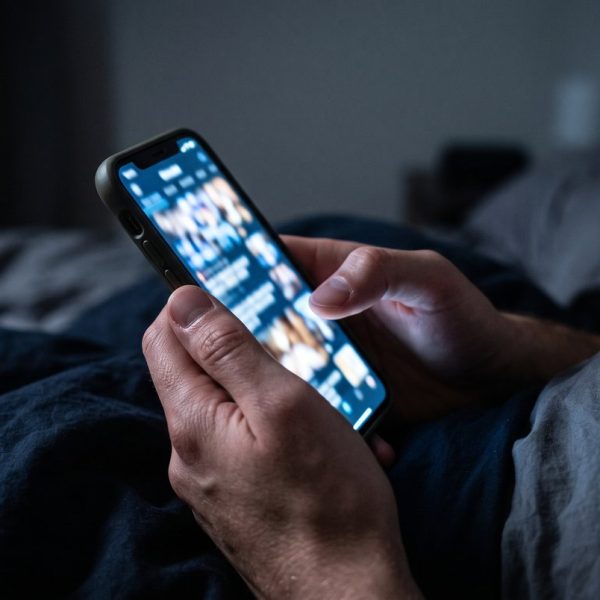
It usually starts with one alert. A phone buzzes, a headline flashes, and twenty minutes later you are still scrolling through updates on a story that hasn't actually changed since the first push notification. If that sounds familiar, you already know how to stop doomscrolling is a question worth taking seriously, not because breaking news doesn't matter, but because the way most people consume it has stopped serving them.
What Doomscrolling Actually Is
Ask someone what does doomscrolling mean and most people describe the symptom rather than the cause: endless scrolling through bad news late at night. The more useful doomscrolling definition is behavioral. It is the compulsive consumption of negative news content well past the point of gaining new, useful information, driven by the brain's tendency to keep checking for resolution to an unresolved threat. A breaking story about a conflict, a disaster, or a market crash triggers that loop especially well, because it feels urgent and unfinished at the same time.
Why Breaking News Feeds the Habit More Than Regular News
Regular news has a shape: a beginning, developments, an ending. Breaking news deliberately withholds that shape while it is happening, publishing fragments as they arrive. Newsrooms do this because speed is the product, but for a reader, an unfinished story is exactly the kind of thing the brain struggles to let go of. Refreshing a live blog fifteen times in an hour rarely produces fifteen meaningful updates, yet it feels like each refresh might be the one that finally resolves things.
How to Stop Doomscrolling Without Going Dark
Most advice on this topic assumes people want to quit news entirely, which is unrealistic and, for anyone who cares about current events, unnecessary. A more workable approach is to change when and how you check. Pick two or three fixed windows a day for following a developing story rather than checking continuously, and use a single reliable outlet for the update rather than five tabs that mostly repeat each other. If a notification arrives outside those windows, note it and move on. In most cases, nothing meaningful changes in the ten minutes between one check and the next.
The Five-Minute Reset
When you notice you have been scrolling for longer than intended, a short physical break interrupts the loop more effectively than trying to reason your way out of it while still looking at the screen. Standing up, stepping outside, or simply putting the phone in another room for five minutes gives the initial urgency time to fade. Communities built around exactly this problem, including the r/nosurf forum, are full of people trading small, practical versions of this same idea rather than an all-or-nothing digital detox.
When the Story Involves Translation Delays
Part of what keeps a breaking story feeling unresolved is that early reporting from another country often arrives faster than accurate translation can keep up with it. A quote gets paraphrased, a number gets rounded, and outlets scramble to catch up once a proper translation clarifies what was actually said. This is a genuine limitation, not a conspiracy, and it is one reason automated tools fall short during fast-moving coverage; the gap between a rough machine pass and a properly reviewed translation is explained well in this piece on why machine translation isn't enough for anything that needs to be right the first time. Knowing that delay exists is itself a reason to wait for a second or third update rather than treating the first version as final.
Rebuilding a Healthier News Routine
Cutting down on screen time in general makes the specific habit of doomscrolling breaking news easier to break, since most of the compulsive checking happens on the same device used for everything else. Turning off non-essential news notifications, keeping one trusted source instead of many overlapping ones, and accepting that a story will still be there in an hour are small changes, but they compound. The goal isn't less awareness of the world. It's getting that awareness without the several hours of scrolling that rarely change what you know.
Signs the Habit Has Gone Too Far
Not everyone who checks the news often has a problem, and the goal here isn't to make anyone feel guilty about staying informed. The clearer signals are practical: losing track of time while scrolling, checking a story again within minutes of the last check with no expectation that anything new has happened, or feeling worse after reading an update without gaining anything actionable from it. Any one of those on its own isn't a big deal. Several of them together, most days, is usually a sign the routine needs adjusting rather than the news itself.
The Bottom Line
Breaking news exists to be followed, not marinated in. The habit worth building isn't avoidance, it's pacing: check with intention, use sources you trust to get it right rather than get it first, and give a story room to actually develop before deciding you understand it. That single shift does more to end a doomscrolling spiral than any app blocker ever will.